The world of metal fabrication has undergone a remarkable transformation over the years, evolving from modest workshops into highly innovative spaces that blend craftsmanship with advanced technology. Local fabrication shops, once known primarily for basic repairs and simple custom work, are now at the forefront of modern manufacturing and design. Their evolution reflects broader changes in industry, where flexibility, precision, and adaptability have become essential. As demand grows for customized solutions and sustainable production methods, these Local Fabrication Shops continue to redefine their role, shaping industries while remaining deeply connected to the communities they serve.
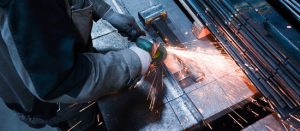
At the heart of this evolution lies the ability to adapt. Traditional fabrication techniques laid the foundation for today’s advancements, but modern shops have embraced new tools and digital processes that enhance efficiency and creativity. Computer-aided design, automated cutting systems, and advanced welding technologies allow fabricators to achieve a level of detail that was once unimaginable. This shift has transformed fabrication shops from purely manual environments into hybrid spaces where skilled craftsmanship and modern innovation coexist. By integrating technology into their workflows, fabricators can handle complex projects while maintaining the hands-on expertise that defines the trade.
One of the most compelling aspects of local fabrication shops is their commitment to customization. Unlike large-scale manufacturing facilities focused on mass production, these shops often specialize in tailored solutions that meet specific needs. Clients seek out fabricators for projects that require precision, creativity, and collaboration, whether it involves structural components, decorative metalwork, or specialized industrial parts. This personalized approach has allowed fabrication shops to thrive in a competitive landscape, proving that smaller operations can deliver exceptional value through flexibility and attention to detail.
The rise of local fabrication shops is also tied to the growing importance of sustainability in modern manufacturing. Many shops are adopting environmentally conscious practices, from optimizing material usage to recycling scrap metal. By minimizing waste and focusing on efficient production techniques, fabricators contribute to a more responsible approach to industry. Metal’s inherent recyclability further supports these efforts, making it an ideal material for projects that prioritize long-term durability and reduced environmental impact. As awareness of sustainability continues to grow, fabrication shops are positioned to play a key role in shaping greener manufacturing practices.
In addition to technological and environmental advancements, local fabrication shops have become hubs of creativity and collaboration. Designers, engineers, and builders increasingly rely on fabricators to bring ambitious ideas to life. The collaborative process often begins with a concept that evolves through continuous dialogue, ensuring that the final product balances aesthetics with functionality. This teamwork fosters innovation, allowing fabrication shops to move beyond traditional roles and become active contributors to the design process. The result is a dynamic environment where creativity thrives alongside technical expertise.
The transformation of fabrication shops can be better understood by examining the core factors driving their growth:
- Adoption of advanced technology: Modern equipment enhances accuracy and efficiency, enabling shops to handle complex designs and large-scale projects.
- Focus on customization: Tailored fabrication solutions meet unique client needs, setting local shops apart from mass-production facilities.
- Commitment to sustainability: Recycling practices and efficient material use align fabrication with environmentally responsible goals.
- Emphasis on craftsmanship: Skilled fabricators combine traditional techniques with modern innovation to achieve high-quality results.
These factors highlight the adaptability that has allowed fabrication shops to evolve while maintaining their identity as centers of skilled workmanship.
Another significant shift in the industry is the growing demand for high-quality finishes and aesthetic appeal. Fabrication is no longer limited to purely functional components; it now includes visually striking designs that enhance architectural and interior environments. Metal railings, panels, and fixtures are crafted with attention to detail, blending durability with artistic expression. This trend reflects a broader appreciation for materials that offer both strength and beauty, encouraging fabrication shops to expand their capabilities and explore new design possibilities.
As fabrication shops continue to evolve, the importance of skilled labor remains undeniable. Technology may streamline certain processes, but the expertise of experienced fabricators ensures that projects meet the highest standards. Precision welding, careful assembly, and meticulous finishing require a level of craftsmanship that machines alone cannot replicate. The combination of human skill and advanced tools creates a balance that defines modern fabrication, preserving the artistry of the trade while embracing innovation.
Local fabrication shops are also adapting to changing economic conditions by diversifying their services. Rather than focusing on a single niche, many shops now offer a broad range of fabrication solutions to serve multiple industries. This diversification helps them remain resilient in an ever-changing market, allowing them to respond quickly to new opportunities. By expanding their capabilities, fabrication shops demonstrate a willingness to evolve alongside the industries they support, reinforcing their relevance in a rapidly shifting landscape.
The role of digital communication has further accelerated the evolution of fabrication shops. Clients can now collaborate remotely, share detailed design files, and receive updates throughout the production process. This level of transparency strengthens relationships between fabricators and their clients, fostering trust and ensuring that expectations are met. Digital platforms also enable fabrication shops to showcase their work to a wider audience, highlighting their expertise and attracting new opportunities. As technology continues to advance, communication tools will likely play an even greater role in shaping the future of the industry.
In a changing world where innovation drives progress, fabrication shops are embracing new materials and techniques to stay ahead. Lightweight alloys, precision forming methods, and advanced finishing processes expand the possibilities of what metal can achieve. These innovations allow fabricators to create products that are not only durable but also efficient and visually appealing. The ability to adapt to emerging trends ensures that local fabrication shops remain competitive while continuing to deliver high-quality solutions.
Understanding the untold evolution of fabrication shops also requires recognizing the values that guide their growth:
- Community connection: Local shops often maintain strong relationships with the people and industries they serve, creating a sense of collaboration and trust.
- Continuous learning: Fabricators invest in training and education to keep up with new technologies and industry standards.
- Problem-solving mindset: Each project presents unique challenges, encouraging creative thinking and innovative solutions.
- Long-term reliability: Durable metal products reflect a commitment to quality and performance over time.
These values demonstrate that the evolution of fabrication shops is not just about technology but also about maintaining a culture of dedication and adaptability.
Looking toward the future, local fabrication shops are poised to play an even more significant role in shaping modern industry. As infrastructure demands grow and design trends continue to evolve, the need for custom metal solutions will only increase. Fabricators will likely explore new methods of integrating digital modeling, automation, and sustainable practices into their workflows. By embracing innovation while preserving the craftsmanship that defines their trade, these shops will continue to forge new paths forward.
The untold story of fabrication shops is ultimately one of resilience and transformation. What began as small-scale workshops has evolved into a dynamic industry that blends tradition with progress. Fabricators have embraced change without losing sight of the core principles that make their work valuable: precision, creativity, and a commitment to quality. Their ability to adapt to shifting demands ensures that they remain an essential part of modern manufacturing and design.
As industries continue to evolve, local fabrication shops will remain at the intersection of innovation and practicality. Their unique combination of advanced technology and hands-on craftsmanship allows them to turn ideas into reality, shaping the structures and products that define modern life. By forging strong relationships, embracing sustainable practices, and pushing the boundaries of design, fabrication shops prove that even in a rapidly changing world, the art of metalworking continues to thrive.
The future of fabrication is not merely about keeping pace with change—it is about leading it. Local fabrication shops embody this forward-thinking spirit, demonstrating that innovation does not always come from large-scale operations but often emerges from dedicated teams committed to excellence. As the industry moves forward, these shops will continue to shape the future, forging new possibilities through the timeless power of metal and the enduring strength of human ingenuity.
Visit our Professional Services Blogs
Portland Metro Plumbers, Provantage Handyman, Santa Ana Flooring, Plumbing Heating Cooling New Jersey, Riverside Stump Grinding, Painter In Hanover, My Restoration Directory, Miami Dade Restoration Services, Update Construction, Campanelli Construction, Cruz Construction And Restoration , Airconditioning Round Rock, Air Dynamics Airconditioning And Heating, Gands Airconditioning And Heating, Windward Building Company LLC, Airconditioning Repairs Bocaraton, Laguna Airconditioning, Roofing 719, 3 Phase Construction NJ, Broadway Building Contractors, UIS Concrete And Demo, Austin Plumbers Near Me, Richmond Gutter Cleaning Company, Weather Defense Roofing Weather Proof Roofing, Ray Allen Plumbing, Raleigh Pressure Washing Painting , Fairfield County Septic, Carlson Craft Cabinets, Helping Hand Home Improvement, Delco Home Inspector, Window Cleaning Stafford