How to Ensure Quality Control on Concrete Projects

Concrete is the cornerstone of modern construction, offering unparalleled strength and durability when mixed, placed and cured properly. Quality control is an essential process that ensures your concrete projects meet client specifications and industry standards.

An effective quality control program includes inspections, tests, and audits that cover all stages of your project. It can also include a corrective action plan to prevent problems from occurring. Visit Website for more insights on implementing strong quality control practices.

Working With Qualified Professionals
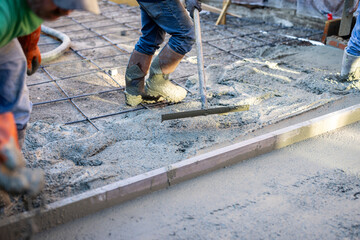
Concrete Construction

Concrete is the foundation of modern construction, offering unparalleled strength and durability when mixed, placed and cured correctly. However, ensuring quality in these key stages requires careful planning and monitoring. This is why it’s critical to work with qualified professionals to prevent errors, accidents or violations that could threaten a project’s success.

When drafting a construction quality control plan, the first step is to define quality objectives. These goals should include client specifications, regulatory standards and industry best practices. Identifying these goals in the early phases of a project can help ensure that all materials used on the build meet these requirements, resulting in defect-free construction and improved overall quality.

Once these objectives are defined, the next step is to determine how they will be accomplished on-site. For example, a construction plan may include material submittal and approval protocols, along with the process for reviewing and inspecting submitted materials. The plan should also address how construction activities will be monitored, including the frequency of inspections and the method for recording findings.

Another important aspect of a construction quality control plan is setting up onsite material storage protocols. This includes specifying where and how all materials will be stored to reduce the risk of theft, damage or contamination. Additionally, the construction plan should outline a protocol for the proper use of vibration equipment to compact concrete properly and eliminate air pockets that can weaken the structure.

Finally, the plan should detail how concrete will be poured and cured to minimize potential problems. For example, pouring concrete at a consistent rate helps avoid cold joints, which are areas of weaker concrete that are created when new concrete is added to existing concrete that has already begun to set. It’s also important to ensure that the curing process starts as soon as possible to allow for hydration and strength development.

Once the concrete is on-site, it’s important to test its water content frequently. This can be done by taking test cylinders at the concrete truck and at the point of placement. By comparing the results of these tests to the specified target water content, a team can verify that the concrete meets quality requirements. Similarly, if the concrete’s compressive strength is not reaching the target level, implementing microwave testing can provide in-situ information on the water to cementitious material ratio and help identify the source of the problem.

Choosing High-Quality Materials

Choosing the right materials is essential to your concrete project. Using subpar materials can lead to issues such as structural instability and inadequate durability. This will cost you money in repairs and reduce the lifespan of your construction. To ensure quality, your construction team should collect client specifications and determine industry standards for each stage of the build. This will help you set clear objectives for inspections, tests and audits, ensuring that the final product meets expectations and adheres to regulations.

Achieving quality with concrete requires careful consideration of the specific materials used, ranging from the water and cementitious content to the type of aggregate and admixtures. It also involves understanding the unique needs of your project. For example, if the concrete is going to be poured by truck, a higher slump may be needed to facilitate pumping. This will require a different type of aggregate. A reputable supplier can provide insight into which materials will work best on your project and suggest alternatives if your preferred material isn’t available.

In addition, it’s important to choose a supplier that can deliver on its promises. Using subpar materials from an unreliable supplier can create serious problems for your construction project, from compromising the structural integrity of the structure to damaging your reputation as a contractor. In order to avoid this, you should perform thorough research to identify potential suppliers. This includes visiting their facilities, asking for references and reading reviews. You should also choose a supplier that uses advanced analytical techniques like petrographic analysis and chemical testing to gain insights into the long-term behavior of materials and predict any problems before they occur.

It’s not uncommon for concrete projects to rely on ready-mix from a plant to streamline construction and minimize waste. However, using this method can introduce additional concerns, such as delays from transportation and the inability to control quality.

When the concrete arrives on site, a special inspector must check the batch ticket to verify that the mix matches the approved mix design. This can be a time-consuming process and is especially critical when the concrete is being delivered to multiple sites simultaneously.

Performing Regular Inspections

Concrete might not be the most complicated part of construction, but it requires some of the most precise work. By taking the time to set up systems for inspections and documenting, it’s possible to ensure first-time quality without any errors.

Start with the right workers: Be sure that your team is qualified for the job and is clear on quality standards. This includes knowing how to use tools for inspecting the structure, checking rebar placement and addressing issues promptly. This will help reduce the risk of inadequate work and ensure that your project is completed on time.

Use the right materials: Make sure all materials meet quality standards, ensuring that the finished product will be up to your client’s expectations. This includes using a trusted third-party to test the materials and checking that they are consistent with the construction drawings and project specifications.

Inspect regularly: Depending on the project, regular inspections might include cylinder tests or on-site testing to check for strength development. These should be done at a minimum of three different times after the pour to get a complete picture of the concrete’s efficacy. These can be done by the concrete inspector or a third-party.

Maintain a consistent pouring rate: The rate at which the concrete is poured can have a significant impact on its quality, causing cold joints that weaken the structure. This can be avoided by ensuring that the contractor is working at a consistent rate and by communicating with the SEOR in advance to agree on how much water should be added.

Ensure proper curing: Make sure the team is aware of the correct procedures for the curing process, which can affect the final strength of the concrete. This can be addressed in the pre-concrete conference with the SEOR and the plant as well as by setting up a monitoring system.

Having a comprehensive plan in place for quality control is the best way to avoid construction issues that might arise. This can be as simple as creating a checklist and reviewing it frequently to ensure that all critical items are being verified. When issues do occur, they should be promptly identified and corrected so that they can be prevented in the future.

Maintaining Records

During the design and planning stages of construction projects, decisions that determine the quality of the completed facility are made. Quality control during construction largely involves insuring that the work and materials used on the project adhere to these original design and planning specifications. This can be accomplished by using random sampling and statistical methods to analyze test results.

In precast concrete production, quality control starts with the inspection of the raw materials used to create the components. These include checking the quality of aggregates, cement, water and admixtures. Once these are approved, a mix design is created that specifies the correct proportions of these materials to use in each batch of concrete.

When it comes to ensuring the quality of finished concrete, good documentation is essential. Keeping clear and organized records can help avoid issues like miscommunication or errors, while also making it easier to find information when needed. The use of digital platforms can increase efficiency by simplifying record keeping, allowing for quick updates and easy sharing between team members.

Maintaining accurate inspection records is also essential for compliance with regulations. Having a clear record of the testing and environmental conditions during each stage of the project can help to prevent future problems that might occur from improper procedures or weather conditions. It can also be useful for verifying that contractors have complied with specific requirements such as utilizing proper placing and curing techniques.

One of the most important aspects of quality control is educating workers on best practices for concrete placement and curing. By ensuring that all workers involved in the process are properly trained, they will be able to deliver results that meet or exceed standards. In addition, they will be able to identify areas for improvement and implement changes that will make future projects better.

Effective quality control is an ongoing effort that requires dedication and commitment from all parties involved in the construction process. A comprehensive approach to quality control includes training, establishing clear communication protocols, and providing access to tools that streamline the documentation process. By doing so, you can ensure that the final product will be a high-quality building that will stand the test of time.


Building Dreams with Strong Foundations

Construction is one of the oldest and most vital industries in the world. From small homes to towering skyscrapers, from community spaces to major infrastructure, it shapes the way we live, work, and connect. More than just brick and mortar, construction represents vision, planning, and skill coming together to create something lasting and functional. Understanding how construction works helps people make better decisions, whether they are planning a new project, renovating an old one, or simply curious about the process.

construction

The Heart of Construction

At its core, construction is about turning an idea into reality. It begins with a vision—someone’s dream of a home, a building, or a public space—and transforms it into a tangible structure. This process requires design, materials, skilled labor, and precise coordination. Every beam, wall, and detail reflects countless hours of planning and expertise.

Construction also drives economic growth, creating jobs, supporting related industries, and improving communities. New buildings and infrastructure open up opportunities, improve safety, and enhance quality of life.

Planning for Success

The success of any construction project starts long before the first foundation is poured. Planning is where ideas are refined and potential problems are solved on paper rather than on the job site. Detailed plans and blueprints ensure that everyone involved understands the design, materials, and timeline.

During this stage, budgets are set, permits are obtained, and schedules are established. Proper planning reduces delays, controls costs, and minimizes risks. Whether it’s a simple home improvement or a large-scale development, thorough preparation sets the tone for the entire project.

Choosing the Right Materials

Materials are the backbone of any construction project. The choice of wood, steel, concrete, or other materials affects the durability, cost, and appearance of the final structure. Sustainable materials are increasingly popular as people seek to reduce environmental impact and improve energy efficiency. Using high-quality materials may cost more upfront, but it often saves money in repairs and maintenance over time.

Construction also requires careful storage and handling of materials to avoid waste. Good material management ensures that nothing is damaged or lost, keeping the project on track and within budget.

Skilled Labor and Teamwork

Construction is a team effort that involves many different trades. Carpenters, electricians, plumbers, masons, and equipment operators all contribute their expertise. Effective communication between these professionals is essential to ensure that each stage is completed correctly and on time.

A skilled workforce also places a strong emphasis on safety. Construction sites can be hazardous, so training, protective gear, and strict safety protocols are critical. A culture of safety not only protects workers but also keeps projects running smoothly.

Project Management and Coordination

Behind every successful project is careful project management. Coordinating schedules, deliveries, and inspections requires organization and foresight. Managers monitor progress, solve problems, and keep all stakeholders informed. By tracking deadlines and budgets, they ensure that the project stays on course from start to finish.

Good project management also involves flexibility. Construction rarely goes exactly as planned—unexpected issues like weather, supply delays, or design changes can arise. Strong leadership and clear communication help teams adapt without sacrificing quality or safety.

Innovation and Technology

Modern construction is evolving with technology. Digital blueprints, 3D modeling, and project management software allow teams to plan more accurately and communicate more effectively. Advanced tools like drones and sensors improve site inspections and progress tracking. Even new building methods, such as modular construction and prefabricated components, are speeding up timelines while maintaining quality.

These innovations not only improve efficiency but also help reduce waste and environmental impact. Embracing technology gives construction companies a competitive edge and offers clients faster, more reliable results.

Sustainability and Environmental Responsibility

Today, construction is about more than just building—it’s also about building responsibly. Sustainable construction practices focus on reducing energy consumption, minimizing waste, and using renewable materials. Features like improved insulation, efficient heating and cooling systems, and green roofs make buildings healthier and more cost-effective over their lifetime.

Planning for sustainability starts at the design stage, considering factors like natural lighting, water conservation, and environmentally friendly materials. By integrating these elements, construction projects can create structures that benefit both people and the planet.

Quality and Inspection

Quality control is vital in construction. Inspections throughout the process ensure that work meets required standards and building codes. Catching issues early prevents costly repairs or safety hazards later. High standards also protect the reputation of everyone involved, from designers to builders.

Quality doesn’t end when the project is complete. Proper maintenance and periodic inspections help extend the life of any structure, keeping it safe and functional for years to come.

The Human Side of Construction

While construction is often associated with heavy machinery and hard hats, it’s ultimately about people. It’s about creating spaces where families live, businesses grow, and communities gather. Each project reflects the dreams and hard work of countless individuals—from planners and architects to laborers and inspectors.

Construction also offers opportunities for personal growth and skilled careers. Many workers take pride in seeing their efforts result in something tangible that benefits others.

Looking Ahead

The future of construction is bright and dynamic. Advances in technology, materials, and sustainability are reshaping how projects are planned and executed. As cities grow and societies change, the demand for smart, efficient, and environmentally conscious construction will only increase.

For anyone considering a construction project, the key is to approach it with clear goals, careful planning, and a commitment to quality. Whether building a small home or a large commercial facility, the principles remain the same: good design, reliable materials, skilled professionals, and solid management.

Construction is far more than an industry; it is a process of bringing visions to life and laying the foundations for the future. It combines creativity, technical expertise, and teamwork to produce structures that serve people for generations. By understanding the basics of planning, materials, labor, and sustainability, anyone can better appreciate the effort and care that goes into each project.

Whether you’re dreaming of a new home, renovating an existing space, or investing in infrastructure, construction is the bridge between imagination and reality. With strong foundations—both literally and figuratively—construction continues to build the world we live in, one project at a time.

Surface Preparation in the Cabinet Refinishing Process

Cabinet Refinishing Sacramento

Painting professionals know the secret to a long-lasting, professional-looking finish is superior surface preparation. Whether you’re looking to spruce up a single room or an entire commercial property, quality prep ensures durability and adhesion.

The SVT process – sand, vacuum, and tack – prepares the surfaces for a fresh coat of paint. It’s important to choose a high-quality primer that promotes adhesion and prevents wood tannins from bleeding through. Contact Cabinet Refinishing Sacramento for more information.

Preparation

A variety of surface preparation techniques can be applied to a wide range of materials ahead of coating, welding and other processes. These can vary from hand cleaning to more complete industrial-grade abrasive blasting or dry media grinding techniques. The goal is to create a clean, uniform surface that provides a good mechanical key for adhesive bonding. This is often necessary for a smooth, long-lasting finish.

When painting cabinets, careful surface prep is the unsung hero of the project. This step prepares the cabinet surfaces to receive a new coat of paint, ensuring that it adheres and covers evenly for a beautiful, durable finish. It involves thorough cleaning, light sanding and priming to ensure that the paint is able to grip the surface for a lasting finish.

Begin by removing any hardware from the cabinets, then cleaning thoroughly with a degreaser to remove grease and grime. Lightly sand all surfaces, then use a tack cloth to remove any dust left behind. Then, prime all surfaces with a high-quality product like KILZ 3(r) Premium Primer. This primer offers excellent adhesion, stain resistance and dries quickly.

Choosing your cabinet paint color and style is the next step. Choose a durable latex or oil-based product that matches the look you’re going for. Be sure to test your chosen color on a small part of the cabinet or door for color and quality, and use drop cloths and masking tape to protect nearby surfaces.

If you’re looking for a super-smooth finish, consider using a spray gun. This is how the pros do it, and while it requires more setup and gear than regular paint, it’s the best option for a smooth, even coat that eliminates brush strokes.

Another option is veneering. This is a great option for homeowners who want to give their cabinets a whole new look without sanding or repainting them. It’s more expensive than painting, but far less than a full remodel. It’s also not limited to wood, so you can get a premium look with laminate or other material.

Primer

While it’s tempting to skip this step, a primer is the foundation of any painting job. Cabinets are especially prone to chipping, flaking, and peeling, so using a good primer is essential to creating a sturdy base. Primers create a bond between the cabinet surface and the paint to make sure the finish sticks and stays put.

In addition to promoting adhesion, the right primer also helps prevent stains and wood tannins from bleeding through the topcoat. Choose a stain blocking primer like Zinsser B-I-N Shellac Primer to get the best results. This primer works well on glossy surfaces and is formulated to block odors, seal stains, and resist moisture.

Before applying the primer, lightly scuff-sand the cabinets to remove any rough spots and imperfections. Once the sanding is complete, vacuum and tack cloth the surfaces to remove any dust or debris and create a clean, smooth canvas for your final coats. Once the primer is dry, scuff-sand again to promote adhesion and eliminate any bumps or unevenness.

Cabinet paint is specially formulated to withstand the normal wear and tear of cabinets, so it’s important that you use a high-quality product that is designed for your cabinet type. For example, oil-based paints work well on wooden surfaces while water-based paints are perfect for metal finishes. It’s also a good idea to use low VOC (Volatile Organic Compound) paints, as they are better for the environment and your health.

Once you’ve chosen the right paint for your project, apply it using a brush or roller in a dust-free environment. Be sure to follow the manufacturer’s application instructions for proper drying and curing times to ensure a long-lasting finish.

If you want to add a final touch of style to your cabinetry, consider replacing the hardware. Decorative handles and knobs are available in a variety of styles and colors, so you can find the perfect accent for your home. For convenience, you can also opt for pulls, which are ideal for drawers and are easy to grip.

Paint

Depending on their condition, cabinet surfaces can benefit from either an oil or latex paint. Both types of coatings have their strengths, but the right product can be key to a long-lasting and visually stunning result. Regardless of the chosen finish, it’s important to select a high-quality primer that enhances adhesion and prevents stains from bleeding through the new paint. A stain-blocking product, such as KILZ 3 Premium Primer, is a great choice for this step.

Once the primer is dry, it’s time to begin painting! Be sure to apply even coats and follow the manufacturer’s instructions for proper curing. During the paint job, it’s also a good idea to update any hardware that needs attention. For example, if you decide to swap out your knobs and pulls for something fresher, use KILZ ORIGINAL Aerosol to prime the metal hardware before applying BEHR PREMIUM Metallic Spray Paint for a rich and lustrous finish.

While cabinet refinishing may seem like a daunting task, it can be simple and rewarding with the right preparation and tools. Professionals know the best techniques to optimize a paint job’s appearance and durability. This is what sets them apart from DIYers, who often overlook critical steps in the process and end up with disappointing results.

Before beginning the refinishing process, it’s important to remove all doors and drawers from cabinets and label each piece so it can be reinstalled in the correct place when the project is complete. This will make reassembly much easier down the road. It’s also a good idea to clean all surfaces with a degreaser, such as trisodium phosphate (TSP), to remove grease and grime buildup.

Thorough cleaning and sanding will give you the smoothest surface possible, helping the paint adhere and last longer. In the end, this will ensure that your kitchen is bright, beautiful and inviting for years to come. When choosing a professional for this task, it’s crucial to consider their expertise and dedication to quality work. The best painters take their time, thoroughly assess each surface and its condition, and only use the highest-quality materials to deliver results that will stand the test of time.

Sealing

Cabinet refinishing is a complex process that requires precision and patience to achieve a professional result. It’s important to use high-quality brushes or sprayers for even coverage and allow each coat to dry completely before applying the next. The final step involves sealing the cabinets with a clear protective finish to enhance durability and protect against moisture, scratches, and daily wear and tear.

Unlike cabinet replacement, the refinishing process is minimally disruptive to your home life. It’s also a more cost-effective and environmentally responsible option, preserving your existing materials while minimizing waste and the energy required to manufacture new components.

Surface Preparation

Sanding is the first step in preparing your cabinet surfaces for refinishing. You can sand the entire surface or simply scuff it lightly to improve adhesion and provide a smooth texture. After sanding, you should vacuum and tack the area to remove any remaining dust particles.

After sanding, you should apply a high-quality primer like KILZ 3(r) Premium Primer to prepare your cabinet surfaces for paint. A primer with stain-blocking properties helps ensure the topcoat will adhere properly and prevent bleed or peeling. Choose a primer that dries quickly and has low odor, so you can remain in your home during the refinishing process.

Once your primer is fully cured, you’re ready to start the painting process. It’s recommended to apply multiple thin coats rather than one thick layer. Thin coats are easier to brush over and can minimize the appearance of brush marks, while also providing a more durable finish. During the application process, be sure to work with the grain of the wood to avoid creating visible lines and ensure a consistent, uniform look.

Sealing

Once the paint is completely dry, you can apply a clear varnish to enhance the look and durability of your cabinets. A water-based polyurethane sealer is a great choice for kitchen cabinets because it resists moisture and scratches and maintains a beautiful sheen that’s easy to clean.

Choosing a refinishing company with experience and a solid reputation in the local community is essential for achieving a quality result. Look for a reputable company that offers free estimates and competitive prices. They should also be able to answer any questions you have about the refinishing process and the benefits of selecting a particular product or technique.

Room Additions Vs Moving – Which Is the Better Option?

Room Additions vs Moving Which Is the Better Option

Adding space to your current home is usually more affordable and less stressful than moving. It can also save you money on transaction fees, inspections and upgrades. However, assessing what you need and your long-term goals is important. This article will help you decide which option is better for your family. Visit Room Additions Lexington KY to learn more.

Cost

Homeowners seeking more space often face the question of whether to buy a new house or expand their current one. While buying a new property requires a large down payment, closing costs, and realtor fees, room additions allow homeowners to reinvest those savings into custom improvements that add value to their existing homes.

Room additions offer the opportunity to design spaces that perfectly fit family needs. From a home office to an in-law suite, homeowners can tailor a solution that meets their lifestyle without the high costs associated with purchasing a new home. Additionally, when working with a skilled contractor, these projects can cost 30-40% less per square foot than moving.

While there are many reasons to choose a room addition, the most significant advantage is that this type of project can be completed while minimizing disruption to family life. Unlike kitchen remodeling, which can turn the entire home into a construction zone, room additions are typically limited to the area directly attached to the existing living space. With a well-designed solution, this minimizes the impact on the family and allows a return to normal living conditions as quickly as possible.

Another important advantage is that room additions can help families remain in neighborhoods they love. While relocating may make sense for some, it can be emotionally and financially challenging to leave a community that offers family connections, a good school district, or amenities that meet daily needs.

A well-planned and executed room addition can provide a strong return on investment when it comes time to sell. The increased livability of the home makes it more appealing to prospective buyers, and the addition can also boost home values in the neighborhood.

Whether you’re adding a mudroom or converting the garage into a bedroom, a professional San Diego room addition contractor can transform your home to better suit your family’s needs while increasing resale value. Consult a contractor to explore your options and determine the best approach for your budget and long-term goals. Be sure to consider zoning codes, setback requirements, and HOA regulations before starting any work.

Time

Home additions are a popular way to upgrade and expand your living space without the hassle of moving. There are many advantages to a room addition, including increased living space and improved resale value. However, before you start planning your new home expansion, it’s important to assess what your needs are and how long you plan on staying in your current house. You may also need to consider your family’s future plans, especially if you want to accommodate younger members of your household.

The biggest advantage of a room addition is that it allows you to stay in your current neighborhood and avoid the stress of selling and buying a new home. Depending on your situation, you can add more bedrooms, a kitchen extension, or even a sunroom. Room additions can be built out or up, and you can choose from a variety of styles, including bump-out additions, garage conversions, or a complete second story. A qualified contractor will ensure that your new space matches the style of your existing house and blends in seamlessly.

Building a new room or adding a sunroom to your existing home can be an effective way to enhance living space and improve the overall quality of your life. The most important aspect of the process is to plan ahead and find a professional contractor who will work with you to design a new space that fits your needs. The length of time needed to complete a room addition depends on how complex the project is and whether or not permits are required. A good contractor will provide a realistic timeline for the project and will work within your budget.

The benefits of a room addition are endless. It can be used as a guest suite, playroom, or office. It can also be a great place to entertain guests and friends. It can also be a way to get extra income by renting out the space. A room addition is an excellent investment that will allow you to grow with your family and enjoy the comforts of your current home.

Emotions

While you might think a new home is the only way to get more space, it comes with a lot of costs. There are moving expenses, real estate fees, and closing costs. Plus, you have to adjust to a new neighborhood and all the new neighbors.

Room additions offer a great deal of customization and cost-effectiveness compared to buying a new home. Plus, they avoid the hassle of moving. However, you will still have to deal with construction disruptions and the inconvenience of living in a house under renovation.

The emotional toll of a move can also be substantial. It can take months for people to feel settled in a new home. This is because they have to go through the stages of denial, resistance, anticipation, and acceptance. It can be even more challenging for those with children and pets, as they must learn to navigate the unfamiliar environment. This is why many choose to make a home upgrade instead of moving. With a little planning, you can create the home of your dreams without the stress and expense of relocating.

Options

A home addition is a practical and meaningful way to improve your living space, without the costs and stress of moving. Whether you want a more spacious kitchen, a dedicated home office, or a cozy sunroom, there are exciting options available that can transform your house into the perfect fit for your lifestyle and family needs.

Room additions can take many forms, including bump-outs and prefabricated extensions. A bump out is a new room attached to the existing house that expands a small area of a house, such as adding another 50 square feet to a cramped kitchen so you can fit a kitchen island or adding a dining nook to an existing family room. Prefabricated extension kits are popular for single-story homes and include prefabricated walls, floors, roof, windows, doors, and insulation. They are usually 10-20% cheaper than a conventional home addition and can be completed in half the time.

You can also choose to add a secondary suite in the form of a master suite, complete with a walk-in closet and bathroom, to provide you with a quiet retreat for relaxing or working. Creating a large, luxurious master suite will add to the value of your home and make it more attractive to future buyers.

The best part about room additions is that you can design the space to perfectly suit your family’s unique needs, unlike when you buy a new home. You can include stylish touches like vaulted ceilings and skylights to make your new room feel like a natural extension of your current home, instead of just a bland space you’ll be stuck with for the rest of your life.

Ultimately, room additions are the ideal solution for homeowners who need more space but don’t want to move from their community, schools, or friends. Regardless of why you need more living space, it’s always better to stay put than to relocate and lose all those connections that hold so much meaning in your life. With a little planning and the help of a trusted contractor, you can add space to your home that fits both your lifestyle and your budget.

Navigation